
International Committee for Morita Therapy
A section of the Japanese Society for Morita Therapy
ICMT Members
ICMT Committee Members
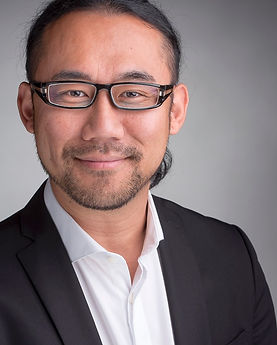
Masahiro Minami, PhD.
Chair
Simon Fraser University, Canada


Dr. Masahiro Minami is an associate professor (counselling psychology program) in the Faculty of Education at the Simon Fraser University, Canada. He is a certified Morita psychotherapist registered with the Japanese Society for Morita Therapy (JSMT) in Japan and also serves as the Secretary General for the International Committee for Morita Therapy. Dr. Minami received his Ph.D. in Counselling Psychology from the University of British Columbia, and is a Registered Clinical Counsellor in British Columbia, Canada. He also serves as the Senior Research Partner for the Rwanda National Unity and Reconciliation Commission, and the Research Consultant for the Prison Fellowship Rwanda. He is the current director of the SFU Mental Health Services Research Lab, SFU Globe in Peace Project and the Prison Fellowship Rwanda-Morita Centre for Peace and Reconciliation Research in Kigali, Rwanda. Areas of his research interests include: 1. Post-war/conflict psychosocial reconciliation and community development 2. Mental health services research/Implementation science/Evidence-based practice 3. Clinical systems engineering, program development, implementation and evaluation 4. Japanese Morita therapy & Zen 5. Family therapy, mediation, reunification, and development processes and outcome 6. Multicultural counseling process/competency Integrative case formulation/conceptualization approaches

Mikiko Kubota, PhD.
Vice-Co-Chair
Hosei University, Japan
Dr. Kubota has worked as a clinical psychologist in the Department of Psychiatry at Daisan Hospital at The Jikei University School of Medicine, where she has provided both inpatient and outpatient Morita Therapy. Since April 2006, she has taught clinical psychology and Morita Therapy at Hosei University and its graduate school. Concurrently, she continues to provide outpatient Morita Therapy at the Center for Morita Therapy, The Jikei University School of Medicine as Chief Clinical Psychologist. Within the Japanese Society for Morita Therapy, she has served in executive positions including Vice President and Chair of the Training Committee. In particular, she has been involved in the training of Morita therapists as both an organizing committee member and lecturer for Morita Therapy seminars. In addition, as Chair of the Committee on Outcome Evaluation, she leads research on the therapeutic effects of outpatient Morita Therapy.

Hidehito Niimura, MD, PhD.
Member
Taishi University, Japan
Current Positions: Professor, Faculty of Clinical Psychology, Taisho University (2024–Present) Visiting Associate Professor, Department of Neuropsychiatry, Keio University School of Medicine (2024–Present) Professional Degree: LL.B., Faculty of Law, Hokkaido University M.D., Wakayama Medical University School of Medicine Ph.D. by thesis, Keio University School of Medicine Academic Societies: Japanese Society of Psychiatry and Neurology (Committee for Psychotherapy, Committee on Medical Ethics, Editorial Board Member of PCN Reports, Board-Certified Psychiatrist and Supervisor) Japanese Society for Social Psychiatry (Board Member, Chair of the Ethics Committee) Japanese Society for Morita Therapy (Executive Board Member, Chair of the Ethics Committee, Vice Chair of the Editorial Board, International Committee Member, Certified Therapist) Japanese Society of Geriatric Psychiatry (Board-Certified Psychiatrist and Supervisor) Japanese Society of Clinical Psychology (Licensed Clinical Psychologist) Research Interests: Psychotherapy (Morita therapy, outpatient psychotherapy, psychotherapy for the elderly) Geriatric Psychiatry (cohort studies of dementia, mental health in the super-aged) Social Psychiatry (psychiatric rehabilitation, community care, aging in people with mental disorders) Books: H. Niimura (Contributor). "Psychotherapy in Depression Treatment: What Can Be Done in 10 Minutes?" Seiwa Shoten, Tokyo. 2018. H. Niimura (Editorial Supervisor). "Anxiety Disorders for Teenagers: An Introduction to Mental Illness." Hoikusha, Osaka. 2022. K. Kitanishi & H. Niimura. "Psychotherapy in Old Age: Understanding and Intervening in Adaptation Anxiety through Case Studies." Iwasaki Gakujutsu Shuppansha, Tokyo. 2025.

Masafumi Mizuno, MD, PhD.
Vice-Co-Chair
Chair of JSMT
Asaka Hospital, Japan
Professor MIZUNO Masafumi, MD, PhD is currently the Hospital Director of Tokyo Metropolitan Matsuzawa Hospital, Japan, and Director of Early Psychosis Unit ‘Il Bosco’, Toho University Omori Medical Centre.

Takanobu Matsuura, PhD.
Member
Nihon University, Japan
Professor, Department of Psychology, College of Humanities and Sciences, Nihon University. Certified Public Psychologist (National Qualification, Japan); Certified Psychotherapist, Japanese Society for Morita Therapy. Specializes in empirical research on the mechanisms underlying the development of anxiety and the effectiveness of interventions, with reference to the theoretical framework of Morita therapy.

Ayumu Tateno, MD, PhD.
Jikei University School of Medicine, Japan
Ayumu Tateno has been working at Jikei University Hospital since 2021 and assumed the position of Professor in the Department of Psychiatry at The Jikei University School of Medicine in October 2024. For approximately 26 years, he was involved in both inpatient and outpatient Morita therapy at the Department of Psychiatry and Neurology of Jikei Daisan Hospital. From 2008 to 2009, he studied at the Department of Psychology at Western Michigan University in the United States, where he conducted comparative research on Morita therapy and third-generation cognitive behavioral therapy. He is currently engaged in outpatient Morita therapy for the Fear of Cancer Recurrence. He has been awarded a Grants-in-Aid for Scientific Research(Fundamental Research C) starting in fiscal year 2026 for a project titled “Development of a Novel Psychotherapy with Long-Term Effects for the Fear of Cancer Cancer Recurrence ”. Positions and Qualifications: Delegate to the Japanese Society of Psychiatry and Neurology; Member of the Psychotherapy Training Committee. Standing Director, Secretary-General, Training Committee Member, and Vice Chair of the Editorial Committee of the Japanese Society for Morita Therapy.Council Member of the Society for Naikan Medicine. Designated psychiatrist in Japan Specialist, and supervising physician of Japanese Society of Psychiatry and Neurology a certified M.D. registered with the Japanese Society for Morita Therapy Publications in English 1. Spates C.R, Tateno A, Nakamura K, Seim R.W, Sheerin C.M. THE EXPERIENTIAL THERAPY OF SHOMA MORITA. Annals of Psychotherapy & Integrative Health . Spring2011, Vol. 14 Issue 1, p14-25. 2. Tateno A. Comparative Study of Outpatient Morita Therapy and ‘Acceptance and Commitment Therapy ’for Patients with OCD. Annals of Psychotherapy & Integrative Health.2014 . 3. Tateno A, YanoK, Kawakami M, Imamura Y, Nakamura.K. Obsessive-Compulsive Disorder cases with a Good Prognosis which Underwent CBT and Morita Therapy. Family Medicine &Medical Science Research.2015.4:3. 4. Tateno.A. Morita Therapy for Obsessive-Compulsive Diosrder―Different approach from “Cognitive Behavioral Therapy ”and “Acceptance and Commitment Therapy”―. LAP LAMBERT Academic publishing. GmbH & Co. KG. Saarbrücken, Germany, 68 pages. Published on 2nd of Feb.2016. ISBN-13:978- 3-659-83546-9. ISBN-10:3659835463. 5. Tateno A. Morita Therapy and [Acceptance and Commitment Therapy] (ACT) Comparative study through cases of Somatic Symptom Disorder and Differences in the process of establishment. LAP LAMBERT Academic publishing. GmbH & Co. KG. Saarbrücken, Germany,52 pages, Published on 2 17th of July.2023. ISBN. 978-3-659-88201-2
ICMT Honorary Advisors

Kenji Kitanishi, MD.
Kitanishi Clinic, Japan
Dr. Kenji Kitanishi (MD, psychiatrist) is an executive member and honourary consultant of the International Committee for Morita Therapy (ICMT) and the Director of the Institute of Morita Therapy and Kitanishi Clinic (Tokyo, Japan) where he currently practises outpatient Morita therapy and investigates theoretical and clinical themes and issues related to Morita therapy. He is the past president (2005-2011) of the Japanese Society for Morita Therapy (JSMT). He served as the Director (1975-1995) of Jikei University School of Medicine’s Institute of Morita Therapy at Daisan Hospital, which is now called Jikei University Centre for Morita Therapy. He continues to take a leading role in the professional training of Morita therapists. He coordinates seminar series, regularly offered in Tokyo and Osaka, for the training and certification of outpatient Morita therapists. He is the 9th recipient of the Shoma Morita Award. He is a JSMT-certified Morita therapist physician. Dr. Kitanishi received his medical degree from the Jikei University School of Medicine in 1970. He was a Professor of Social Welfare in the Faculty of Integrated Arts and Science at Japan Women’s University until his retirement in 2011. His professional affiliations include: World Psychiatric Association (Section of Cultural Psychiatry), Japanese Society of Psychiatry and Neurology, and Japanese Society for Morita Therapy. His areas of interest include psychotherapy in general, Morita therapy, cultural psychiatry, and Asian philosophy and religion. He has published numerous journal articles, books, and book chapters in both Japanese and English. His hobby is scuba diving in Okinawa.

Ishu Ishiyama, PhD.
University of British Columbia, Canada
UPCOMING

Kei Nakamura, MD.
Jikei University Centre for Morita Therapy, Japan
Dr. Kei Nakamura, MD, is a Professor Emeritus at Jikei University School of Medicine in Tokyo and the Honorary Director of the Jikei University Center for Morita Therapy. He also serves as Honorary Director of the RIC Mental Clinic. He graduated from Jikei University School of Medicine and earned his Doctor of Medicine degree. He is widely recognized in Japan as a psychiatrist specializing in Morita therapy and the treatment of anxiety disorders and depression. Dr. Nakamura served as President of the Japanese Society for Morita Therapy (JSMT) for nine years and currently serves as an Honorary Member of the JSMT, an Advisor to the Executive Board, and Chair of the Society’s Award Selection Committee. He also serves as a Director of the Japan Naikan Association and a Councilor of the Japanese Society of Psychopathology. Some of his articles published in English are: • Morita therapy in Japan: Today and the future [J. of Morita Therapy 2000; 11(1):66-70] • The Formation and Development of Morita Therapy [Hamanaka T & Berrios GE (eds), Two Millennia of Psychiatry in West and East. 2003; Gakuju Shoin, p125-132,2003] • The history of psychotherapy in Japan [International Medical Journal 2006; 13 (Suppl.1):13-18] • The neurotic versus delusional subtype of taijin-kyofu-sho: Their DSM diagnoses [Psychiatry and Clinical Neurosciences 2002; 56: 595-601].

Toshihide Kuroki, MD., PhD.
Nakamura Gakuen University, Japan
Dr. Kuroki graduated from the Faculty of Medicine at Kyushu University. After serving as an associate professor at the Graduate School of Medical Sciences at Kyushu University and as director of the Clinical Research Division at the National Hospital Organization Hizen Psychiatric Center, he became a professor of clinical psychology at the Graduate School of Human-Environment Studies at Kyushu University from 2013 to 2024. From 2018 to 2020, he was the dean of the School of Education at Kyushu University. He specializes in clinical psychiatry and clinical psychology. He is from the Psychiatry Department at Kyushu University School of Medicine, which was led by Prof. Mitsuzo Shimoda. Prof. Shimoda had a close relationship with Prof. Masatake Morita. Dr. Kuroki served as an Executive Director of the Japanese Society of Morita Therapy until 2023. He is currently a specially appointed professor at Nakamura Gakuen University in Fukuoka, Japan.
ICMT International Members

Lynn Alden, PhD.
University of British Columbia, Canada
Dr. Alden is a Licensed Psychologist and Professor of Clinical Psychology in the Department of Psychology at University of British Columbia. Her research and clinical interests are in the areas of: cognitive and interpersonal processes in the anxiety disorders, social anxiety disorder, adult-onset post-traumatic stress disorder, and cognitive-behaviour therapy.
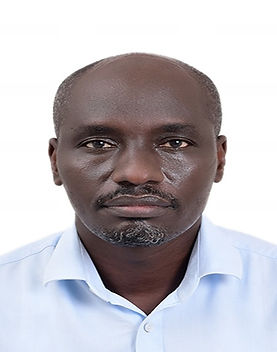
Felix Bigabo, MA.
Prison Fellowship Rwanda, Rwanda

Felix BIGABO, an MA holder in psychology, is the head of programs and research at Prison Fellowship Rwanda and a representative of Morita therapy in Rwanda. Mr. Felix is a dedicated and experienced peacebuilding practitioner with a proven track record of fostering conflict resolution, community healing, and reconciliation dialogues in post-genocide Rwanda and diverse trans-border cultural and socio-political contexts. Strong background in conflict analysis, mediation, and community engagement. Adept at building partnerships, and driving positive change. Committed to creating a world where lasting peace, social harmony, cohesion, and resilience prevail. Read More 1.Research in peacebuilding, mental health, and restorative justice 2.Training and facilitation of community healing spaces for people with psychological distress and trauma. 3.Rehabilitation and reintegration of inmates in general and genocide inmates particularly 4.Mediation, reconciliation, and facilitation of social cohesion between former genocide inmates, and genocide survivors through reconciliation villages and Action-based reconciliation Model.

Makihiko Hirabayashi, MD., PhD.
Heal Online Counseling, Canada & Yokohama City University, Japan
Makihiko Hirabayashi, MD, PhD is a psychiatrist based in Montreal, Canada, and an Affiliate Assistant Professor at Concordia University. He specializes in Morita therapy, with a particular focus on its application to chronic pain and cross-cultural mental health. His research integrates Morita therapy with cultural psychiatry, exploring how individuals navigate distress, behavior, and belonging in intercultural contexts. His recent work has focused on Japanese immigrants, examining how action-oriented approaches may facilitate connection and adaptation beyond symptom reduction. In addition to his academic work, Dr. Hirabayashi is actively involved in Kokoro no Kenko no Kai, a community-based initiative that provides mental health support for Japanese-speaking individuals living abroad. Through this work, he conducts group-based psychoeducation and contributes to community-oriented research and outreach. Dr. Hirabayashi has extensive clinical experience in psychiatry and pain medicine, having previously served as Director of a Pain Center in Japan. His work bridges clinical practice, cultural understanding, and everyday life, emphasizing action, adaptation, and meaningful engagement.

Yuko (Imamura) Hori, MEd., MSW.
Kokoro Therapy Helsinki, Finland
Yuko Hori is the founder and therapist of Kokoro Therapy Helsinki, where she practices integrative psychotherapy including Morita Therapy. She is a certified Morita psychotherapist registered with the Japanese Society for Morita Therapy in Japan. She worked as a clinical psychologist at the Center for Morita Therapy at Jikei University School of Medicine in Tokyo, Japan, from 2006 to 2019 and also served as an instructor at the Tokyo Morita Therapy Seminar. She received her Master's Degree in Education (Developmental Psychology) from Tokyo Gakugei University, Japan in 1998 and another Master's Degree in Social Work from the University of Michigan, Ann Arbor, USA in 1999. After graduation, she worked at Madison Center Elkhart, IN, Yokohama Sogo Hospital, Daito University, among others, before joining the Department of Psychiatry at Jikei University. Her clinical interests include: treatment of anxiety disorders and depression, clinical application of attachment and internal working models, acculturation, and expatriate and international community mental health.

Edvin Kanka Ćudić, MA.
UDIK Sarajevo, Bosnia & Herzegovina
Edvin Kanka Ćudić is a human rights activist, journalist and political analyst who is best known as the leader of the Association for Social Research and Communications (UDIK), Bosnia and Herzegovina, a NGO campaigning for human rights and reconciliation in the former Yugoslavia. Edvin's main occupations are: dealing with the past, human rights violations, peacebuilding and democracy.

Jiangbo Li, MD.
People's Hospital of Jianyang City, China

Dr. Jiangbo Li, holding a Doctorate in Medicine, is currently a specially appointed expert in the Clinical Psychology Department at Jianyang People's Hospital, affiliated with Chengdu Medical College. He serves as the Director of the Jianyang Psychosomatic Medicine Quality Control Committee. His current academic positions include: • Fourth and Fifth Chairperson of the Morita Therapy Professional Committee of the China Association for Mental Health • Executive Director of the China Association for Mental Health • Chairperson of the Morita Therapy Professional Committee of the Anhui Association for Mental Health • Editorial Board Member of the World Journal of Psychiatry Dr. Li developed the Japanese version of the self-rating scale for measuring the toraware state of neurosis in 2003, and the Chinese version of the same scale in 2016. He has served as the lead editor of “Practical Morita Therapy Series” (5 volumes), and published works such as the “Analysis of Morita Psychotherapy”. Dr.Li has also published over 40 papers in domestic and international journals. He was the cover personality of the 10th issue of the World Journal of Psychiatry in 2025. Over the years, he has focused on research and clinical practice of Morita therapy, and served as the conference chairperson for the 11th and 15th Chinese Conferences on Morita Therapy between 2015 and 2023. In 2019, he served as the conference chairperson for the 10th International Congress of Morita Therapy held in Wuhu, China.

Yoshimi Matsuda, PhD.
Independent Researcher, Australia

UPCOMING

Saori Miyazaki, MA., LMFT.
Private Practice, USA

Saori Miyazaki, LMFT, is a California-based licensed marriage and family therapist as well as speaker specializing in modalities such as Naikan self-reflection and Morita Therapy. Since Saori first came across Morita Therapy as a graduate student in 2005 and was impressed by its holistic approach and universality to the human experience. She has since completed over ninety clinical training and supervision hours of the Japanese Society for Morita Therapy. Saori’s focus is on providing support for people with anxiety in high-stress environments and in life transitions by implementing outpatient Morita Therapy at her private practice. Saori sits on a board of the TōDō Institute in Vermont since 2022. Her speaking engagements include presenting Morita Therapy concepts for the graduate students at Dr. Stephen Murphy-Shigematsu's Heartfulness at Standford University. She has also contributed an article about Morita Therapy and teenagers as a guest writer for Psychotherapy.net. Prior to opening her private practice in 2017, she worked in the non-profit sector in San Francisco for about fifteen years. Her clinical experiences span from working with diverse populations such as the LGBTQ community, teens with trauma histories, and marginalized adults with depression and anxiety.

Eugene Mullan, D.Clin.Psy.
University of Exeter, UK
Dr. Eugene Mullan was Director of Clinical Training at the University of Exeter from 2005-2020, a co-founder of the Mood Disorders Centre (2004)and the founder of the Clinical Education Development and Research (CEDAR) Group in 2012.Dr Mullan retired from his academic positions in 2020 but remains supportive of the work of the ICMT

Rishi Ojha
Nepal Health Society, Nepal

UPCOMING

Natalia Semenova, PhD.
Moscow Research Institute of Psychiatry, Russia

Dr. Natalia D. Semenova earned her Master’s degree in Psychology from Lomonosov Moscow State University in 1983 and her Ph.D. in Clinical Psychology from the same university in 1989. She is Associate Professor at the Institute of Clinical Psychology and Social Work at Pirogov Russian National Research Medical University in Moscow. She is also a leading research scientist at the Moscow Research Institute of Psychiatry, a branch of the V. Serbsky National Medical Research Centre for Psychiatry and Narcology, Ministry of Health of the Russian Federation. Dr. Semenova is the founder of the Women’s Mental Health Section of the Russian Society of Psychiatrists and has also served in a leadership role within the Women’s Mental Health Section of the World Psychiatric Association; the WPA currently lists her as a Section Advisor. She is a member of the editorial team of Consortium Psychiatricum, and her professional work has focused on psychosocial treatments in psychiatry, recovery from mental illness, and gender-sensitive mental health care. A clinical psychologist with extensive experience in psychiatric care, teaching, and supervision, Dr. Semenova has mentored students and postgraduate trainees in psychology and related mental health disciplines. She has also been actively involved in the study and teaching of Morita therapy for decades, participating in Morita therapy conferences and international congresses since 1990 and contributing to the international exchange and promotion of Morita therapy.

Yusuke Umegaki, PhD.
Nara Women’s University, Japan
Dr. Yusuke Umegaki is an Associate Professor in the Faculty of Human Life and Environment at Nara Women's University. He is also a Certified Public Psychologist and a licensed Clinical Psychologist in Japan. His research focuses on the cognitive and behavioral processes underlying depression, with particular emphasis on rumination and its role in the onset and maintenance of mood disorders. His work also examines adult major depressive disorder and anxiety disorders, as well as the development, evaluation, and dissemination of cognitive behavioral therapy (CBT) interventions. Through clinical research, he aims to advance the understanding and treatment of common mental health problems.

Holly Sugg, PhD, FHEA, MSc, PGDip, LLB (Hons).
University of Exeter, UK
Dr.Holly Sugg is a Lecturer in evidence-based practice and research methods in the Academy of Nursing, Faculty of Health and Life Sciences at the University of Exeter, UK. Holly currently co-leads both the ‘Evidence for Practice’ pillar of the Academy, and the Mental Health and Wellbeing Research Theme in the Department of Health and Care Professions. She is also an Affiliated Researcher with the Complex Intervention Research in Health and Care Group, Department of Women’s and Children’s Health, at Uppsala University, Sweden. Holly’s background is in psychology and psychological research methods. She currently specialises in mental health services research, focusing on developing and evaluating complex healthcare interventions, particularly psychological therapies for common mental health difficulties. Holly has skills in both quantitative and qualitative research, and in undertaking integrative mixed methods analysis. Her current research focuses on how integrative mixed methods analysis can help inform the personalisation of treatments. Holly is also interested in cross-cultural perspectives on wellbeing, and the differential experience and treatment of mental health difficulties across cultures. In 2017, Holly completed her PhD at the University of Exeter (entitled "Morita Therapy for Depression and Anxiety: Intervention Optimisation and Feasibility Study") in which she used a mixed methods approach to develop and test Morita Therapy for the first time in the UK, demonstrating its acceptability and potential utility for UK patients. Her publications from this work include: · Sugg HVR, Richards DA, Frost J. 2020. What is Morita Therapy? The nature, origins and cross-cultural application of a unique Japanese psychotherapy. Journal of Contemporary Psychotherapy, 50, 313-322, doi: 10.1007/s10879-020-09464-6. · Sugg HVR, Frost J, Richards DA. 2020. Personalising psychotherapies for depression using a novel mixed methods approach: an example from Morita therapy. Trials, 21(41), 1-12, doi:10.1186/s13063-019-3788-3. · Sugg HVR, Frost J, Richards DA. 2019. Morita Therapy for depression (Morita Trial): an embedded qualitative study of acceptability. BMJ Open, 9(e023873), doi:10.1136/bmjopen-2018-023873. · Sugg HVR, Richards DA, Frost J. 2018. Morita Therapy for depression (Morita Trial): a pilot randomised controlled trial. BMJ Open, 8(e021605), doi:10.1136/bmjopen-2018-021605. · Sugg HVR, Richards DA, Frost J. 2017. Optimising the acceptability and feasibility of novel complex interventions: an iterative, person-based approach to developing the UK Morita therapy outpatient protocol. Pilot and Feasibility Studies, 3(37), doi:10.1186/s40814-017-0181-4.

Naoki Watanabe, MD.
Kishiro Mental Clinic, Japan
Dr. Naoki Watanabe (MD, Psychiatry) was Honorary Director of Mental Hospital Kamakurayama working as a psychiatrist since 1982 focusing on Morita Therapy until April 2025. He continues his service at Kishiro Mental Clinic focusing on Group Morita Therapy. He is also a visiting professor at Saint Marianna University School of Medicine. He finds Morita Therapy as a way (do) to find his natural self like Kendo (the way of Sword), Sado (the way of Tea) or Kyudo (the way of archery). He values engaging in creation of art works like drawing, polishing seashells, or spending one day at the ancient Japanese House as a way of "doing" to freely cultivate his daily life. Recently, he began collaborating with a German colleague who built a house in Shikoku Island and lives according to the principle of Morita Therapy. “Those who are interested to join us are welcome”.
ICMT Secretariat

Misato Lee
Simon Fraser University, Canada


Rachael Whyte
Simon Fraser University, Canada